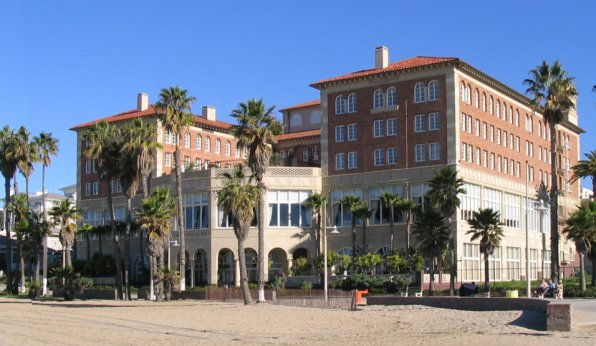
The name Synanon echoes through the history of addiction recovery as a stark paradox. Born from a genuine desire to help those struggling with substance abuse, it pioneered groundbreaking methods that revolutionized therapeutic communities. Yet, in a chilling transformation, this innovative rehabilitation program mutated into one of America's most feared and violent cults, leaving a legacy of shattered lives and a potent cautionary tale.
Founded in 1958, Synanon initially offered a beacon of hope where traditional avenues had failed. Its early success captivated policymakers and medical professionals alike, showcasing the power of peer support and confrontational honesty. However, under the increasingly autocratic leadership of its founder, Charles Dederich Sr., Synanon veered dramatically off course, ultimately collapsing under the weight of criminal convictions, allegations of brainwashing, and acts of terrorism. Understanding Synanon's journey is crucial for appreciating both the potential and the perils inherent in alternative approaches to healing and community building.
The Genesis of Synanon: A New Approach to Addiction
In the mid-20th century, individuals battling severe drug addiction often found themselves ostracized, even by support groups like Alcoholics Anonymous (AA), which typically focused solely on alcoholism. It was into this void that Charles E. "Chuck" Dederich Sr., a recovering alcoholic himself and an AA member from Santa Monica, California, stepped forward. Inspired, reportedly after an LSD experience, Dederich envisioned a new kind of sanctuary for drug users. What began in 1958 as a small, informal gathering dubbed "Tender Loving Care" quickly grew into something far more significant, formalized later that year as the Synanon Foundation.
Dederich's vision was radical for its time. He famously coined the phrase, "Today is the first day of the rest of your life," a sentiment that encapsulated the program's focus on immediate, decisive change. The name "Synanon" itself has contested origins, with some suggesting it was a portmanteau born from a member slurring "symposium" and "seminar," while others point to a fusion of "symposium" and "anonymous." Regardless of its etymology, the name came to represent an association of individuals united by a common interest: recovery from addiction. Unlike traditional models that might involve medication or professional therapists, Synanon's initial framework emphasized a two-year residential program where residents would live together, sharing their struggles, relapses, and recovery journeys. Dederich soon concluded that "graduation" was impossible, arguing that full recovery was an ongoing, lifelong process that necessitated continuous commitment to the community.
The Synanon Game: Confrontation and Community
At the heart of early Synanon was its pioneering methodology: a form of intense group therapy known as "The Synanon Game." This wasn't a recreational activity but a relentless, peer-led confrontation session where members publicly and often ferociously critiqued each other's flaws, weaknesses, and antisocial behaviors. Participants would "attack" one another verbally, stripping away defenses and forcing a raw, unfiltered self-awareness. The aim, in theory, was to break down the manipulative and deceptive patterns often associated with addiction, fostering honesty, accountability, and genuine connection within the therapeutic community. For a deeper dive into this controversial practice, explore The Synanon Game: Inside Its Controversial Attack Therapy.
Initially, The Game, combined with the rigorous communal living and enforced abstinence from drugs, alcohol, and violence, appeared remarkably effective. Synanon reported impressive success rates in sustaining sobriety and significantly reducing recidivism without relying on medical interventions or professional psychological oversight. This self-sufficiency and the apparent triumph over addiction garnered widespread attention and praise. The organization expanded rapidly throughout the 1960s, attracting thousands of residents and establishing self-sustaining communes across California and beyond. These communes developed their own businesses, from car washes to advertising agencies, providing financial independence and a sense of purpose for their members, all while rejecting welfare dependency and promoting a disciplined, clean lifestyle.
From Rehab to Ruthless Cult: Synanon's Dark Transformation
The early promise of Synanon, however, began to curdle under the increasingly dictatorial rule of Chuck Dederich. As the 1970s dawned, the once-innovative rehabilitation program morphed into an insular, cult-like entity. Dederich, convinced of his own infallibility, began to exert absolute control over every aspect of his followers' lives. He declared Synanon a tax-exempt "Church of Synanon," not for spiritual growth in any conventional sense, but primarily to avoid taxes and consolidate power. This shift marked a dramatic departure from its foundational principles, as the organization became obsessed with self-preservation and Dederich's increasingly bizarre ideologies.
Communal practices grew extreme and coercive: mandatory vasectomies for men over a certain age, forced head-shaving for women, and the separation of married couples or even parents from their children, often to create new pairings orchestrated by Dederich himself. Isolation from the outside world became paramount, fostering an intense paranoia towards perceived "enemies" – former members, critics, and government authorities. The once-therapeutic confrontation of "The Game" devolved into a tool for psychological manipulation and enforcing conformity. For a comprehensive look at this chilling evolution, read Synanon: How a Drug Rehab Program Became a Violent Cult.
The defining controversy, and ultimately its undoing, was Synanon's embrace of escalating violence and criminality. What started as verbal abuse in The Game escalated to documented assaults, death threats, and a pervasive atmosphere of fear. The most notorious incident occurred in 1978 when two members, acting on Dederich's orders, placed a venomous rattlesnake in the mailbox of a lawyer suing the group, Paul Morantz. Morantz was bitten but survived. This act of terrorism, along with financial misdeeds, evidence tampering, and allegations of attempted murder, triggered federal investigations. Dederich eventually pleaded guilty to conspiracy charges related to the rattlesnake attack, and in 1982, the organization's tax-exempt status was revoked. By 1991, Synanon officially disbanded, leaving behind a trail of destruction and a permanent stain on the history of addiction recovery.
Analyzing Synanon's Legacy: Warnings for Modern Recovery
The tragic arc of Synanon offers invaluable, albeit grim, lessons for anyone involved in addiction recovery, mental health, or community building today. Its initial success undeniably proved the power of peer support, communal living, and direct confrontation in breaking cycles of addiction. These elements, when ethically applied, form the bedrock of many successful therapeutic communities even now. However, Synanon also stands as a stark warning about the dangers of unchecked power, charismatic leadership without accountability, and the erosion of individual rights within a group dynamic.
Practical Takeaways for Evaluating Modern Recovery Programs:
- Scrutinize Leadership and Governance: How is the program led? Is there a board of directors, external oversight, and mechanisms for accountability? Beware of programs where a single individual holds absolute power with no checks or balances.
- Transparency in Operations: Ethical programs are transparent about their methods, finances, and treatment philosophies. Red flags include secrecy, discouragement of outside contact, or vague explanations of their approach.
- Respect for Individual Autonomy: While structure is important in recovery, a healthy program respects personal boundaries, individual choices, and the right to leave. Mandatory, non-consensual practices (like forced medical procedures or marital separations) are unequivocal signs of a cult.
- Professional Oversight and Credentials: While peer-led support is valuable, reputable programs often integrate professional therapists, doctors, and licensed counselors to ensure safety and ethical practices. What are the qualifications of the staff?
- Emphasis on Reintegration, Not Isolation: True recovery aims to help individuals successfully re-engage with society, not isolate them permanently within the community. Programs that demand members cut ties with family or friends should be approached with extreme caution.
- Evidence-Based Practices (or clear rationale): While innovative approaches exist, be wary of programs that dismiss all established scientific or medical understanding without compelling, verifiable reasons.
Synanon's descent from a pioneering rehab to a violent cult serves as a powerful reminder that even the most well-intentioned movements can be corrupted without strong ethical boundaries, external oversight, and a steadfast commitment to the well-being and autonomy of every individual. Its legacy compels us to remain vigilant against the seductive allure of absolute authority and the dangers of extreme groupthink.
In conclusion, Synanon's history is a complex tapestry woven with threads of innovation, hope, charisma, and ultimately, profound darkness. It demonstrated both the immense potential of unconventional therapeutic communities and the catastrophic consequences when those communities prioritize control and conformity over genuine healing and individual freedom. Its story remains a vital lesson, echoing across decades, reminding us of the critical need for ethical leadership, transparency, and a relentless commitment to human dignity in all endeavors, especially those dedicated to the vulnerable journey of recovery.