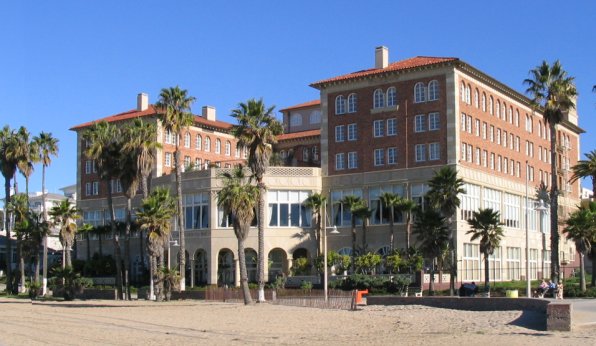
In the annals of American social experiments, few stories are as compelling and cautionary as that of Synanon. What began in 1958 as a revolutionary drug rehabilitation program in Santa Monica, California, eventually devolved into what has been widely described as one of the "most dangerous and violent cults America had ever seen." This stark transformation from a beacon of hope for addicts to a symbol of coercive control and criminality offers invaluable lessons about leadership, community, and the fine line between therapy and tyranny.
The Genesis of a Radical Approach to Addiction
The story of Synanon begins with Charles E. "Chuck" Dederich Sr., a recovering alcoholic and former member of Alcoholics Anonymous (AA). Dederich observed a critical gap in the existing support systems: individuals struggling with severe drug addiction, particularly during the heroin epidemic of the 1950s, often found themselves unwelcome or ill-served by traditional AA programs, which primarily focused on alcoholism. Recognizing this unmet need, Dederich, reportedly after an LSD experience, felt compelled to create a new, more tailored approach.
In 1958, his small group, initially known as "Tender Loving Care," took root. Dederich championed a philosophy of radical honesty and self-reliance, coining the now-famous phrase, "Today is the first day of the rest of your life." This empowering motto resonated deeply with those seeking a fresh start. As his following grew, Dederich formally incorporated the organization as the Synanon Foundation in 1958.
The origin of the name "Synanon" itself is shrouded in a touch of folklore. Some accounts suggest it emerged from a group member's slurring of the words "symposium" and "seminar." Others describe it as a more deliberate portmanteau of "symposium" and "anonymous," hinting at both intellectual discussion and the protective anonymity characteristic of recovery programs. Interestingly, the word "syndicate" – meaning an association of people formed to promote a common interest – also echoes the collective nature Synanon was destined to embody.
Synanon pioneered the "therapeutic community" model, which emphasized a peer-led approach to recovery. Unlike traditional programs that relied on medical intervention or professional therapists, Synanon residents supported and confronted each other. It initially began as a two-year residential program, but Dederich soon revised this, concluding that a "full recovery" was impossible for many members, effectively creating a permanent residency model for those within its walls.
The Synanon Game: Confrontation as Therapy
At the heart of Synanon's innovative approach was "The Synanon Game." This was a unique form of attack therapy, a confrontational group truth-telling session where residents would publicly and relentlessly critique each other's flaws, weaknesses, and antisocial behaviors in marathon sessions. The intensity of these encounters was designed to strip away defenses, foster self-awareness, and break destructive patterns. Participants were encouraged to be brutally honest, often shouting and verbally attacking one another in a bid to provoke emotional breakthroughs.
Initially, The Synanon Game reported impressive success rates in sustaining sobriety and reducing recidivism. Its methods, though unconventional and often harsh, appeared to work for many who had failed in other programs. The program’s emphasis on total abstinence from drugs, alcohol, and violence, combined with a demand for personal responsibility, provided a structured and demanding environment for change. For a deeper dive into this controversial method, read The Synanon Game: Inside Its Controversial Attack Therapy.
Initial Appeal and Rapid Expansion
In the 1960s, Synanon expanded rapidly, attracting thousands of residents. It became a self-sustaining community, generating revenue through member contributions and external donations, and establishing various businesses like car washes and advertising agencies. This entrepreneurial spirit, coupled with its rejection of welfare dependency, projected an image of a thriving, self-sufficient commune. Many former drug users found purpose and belonging in this new way of life, contributing their labor and loyalty to the collective.
From Rehab to Cult: The Transformative Years
By the early 1970s, the promising therapeutic community began a dark transformation. Under Dederich's increasingly dictatorial rule, Synanon shed its rehabilitative skin and evolved into an insular, cult-like entity. Dederich, once a charismatic leader, became an authoritarian figure whose word was law. This shift was marked by several alarming developments:
- The "Church of Synanon": In 1974, Dederich declared Synanon a tax-exempt "Church of Synanon," a move widely seen as an attempt to protect its assets and operations from external scrutiny.
- Extreme Communal Practices: Life within Synanon became increasingly controlled. Mandatory vasectomies were imposed on men over a certain age, women were subjected to head-shaving, and married couples were encouraged, and later forced, to divorce and switch partners (a practice known as "The Changing Partners Game").
- Isolation and Paranoia: Contact with the outside world was severely restricted, fostering a deep sense of paranoia towards perceived "enemies" of Synanon. Dissent was not tolerated, and loyalty to Dederich and the organization became paramount.
These practices highlight a critical transition where the line between therapy and control blurred irrevocably. The initial goal of personal rehabilitation was replaced by the imperative of absolute conformity to Dederich’s increasingly bizarre and dangerous doctrines.
Escalation into Violence and Criminality
Synanon’s defining controversies emerged from its growing tolerance, and eventually promotion, of escalating violence and criminality. What started as verbal confrontation in The Game soon spilled into physical aggression and intimidation. Documented assaults, death threats, and property destruction became commonplace as the group sought to silence critics and enforce Dederich’s will.
The most notorious incident occurred in 1977 when two Synanon members, under Dederich's direct orders, placed a rattlesnake in the mailbox of Paul Morantz, a lawyer who was suing the group. The snake bit Morantz, though he survived. This brazen act of domestic terrorism brought national attention and intense federal scrutiny upon Synanon.
The legal consequences were severe. Federal investigations led to the revocation of Synanon's tax-exempt status in 1982, and Charles Dederich Sr. himself pleaded guilty to conspiracy charges related to the rattlesnake attack. Other members were convicted of offenses including financial misdeeds, evidence tampering, terrorism, and attempted murder. Faced with mounting legal pressure, internal dissent, and a rapidly eroding public image, Synanon finally disbanded in 1991, leaving behind a trail of broken lives and a chilling legacy. To understand the full scope of its decline, refer to Synanon's Legacy: Rehab Pioneer to America's Violent Cult.
The Enduring Lessons of Synanon
The saga of Synanon serves as a profound case study in the dangers of unchecked power and the corrupting influence of absolute authority. It illustrates how a program founded with genuinely innovative and potentially beneficial intentions can spiral into an abusive and violent cult. The paradox of Synanon lies in its initial success in helping individuals achieve sobriety, only to subject them to a different, equally destructive form of addiction – addiction to the group and its leader.
What can we learn from Synanon?
- The Importance of Ethical Leadership: Dederich's transformation from a recovering addict to a dictator underscores the critical need for accountability, transparency, and checks and balances in any therapeutic or community-based organization.
- Vulnerability to Exploitation: Individuals seeking help, especially those struggling with addiction, are often in highly vulnerable states. Programs must be designed to empower, not to exploit or control.
- Warning Signs of Cult Dynamics: Synanon exhibited classic cult characteristics: a charismatic leader, an us-vs-them mentality, isolation from the outside world, extreme demands for loyalty, suppression of dissent, and ultimately, the use of violence to maintain control. Recognizing these signs is crucial for protecting oneself and others.
- Balance in Therapeutic Approaches: While peer support and confrontational therapy can have merits, they require careful moderation, professional oversight, and respect for individual autonomy and boundaries to prevent abuse.
For individuals seeking help for addiction or considering joining a new community, it is vital to ask questions: Is there transparency about leadership and finances? Are members allowed to maintain contact with family and friends? Is independent thought encouraged or suppressed? Are there clear, ethical guidelines for therapy and conduct?
In conclusion, Synanon's journey from a pioneering drug rehabilitation program to America's most dangerous cult is a sobering reminder that even the most promising initiatives can be perverted without proper oversight and a steadfast commitment to ethical principles. Its legacy is a powerful testament to the destructive potential of charismatic leaders who prioritize their own power over the well-being and autonomy of those they claim to help, urging perpetual vigilance against the subtle creep of coercive control.